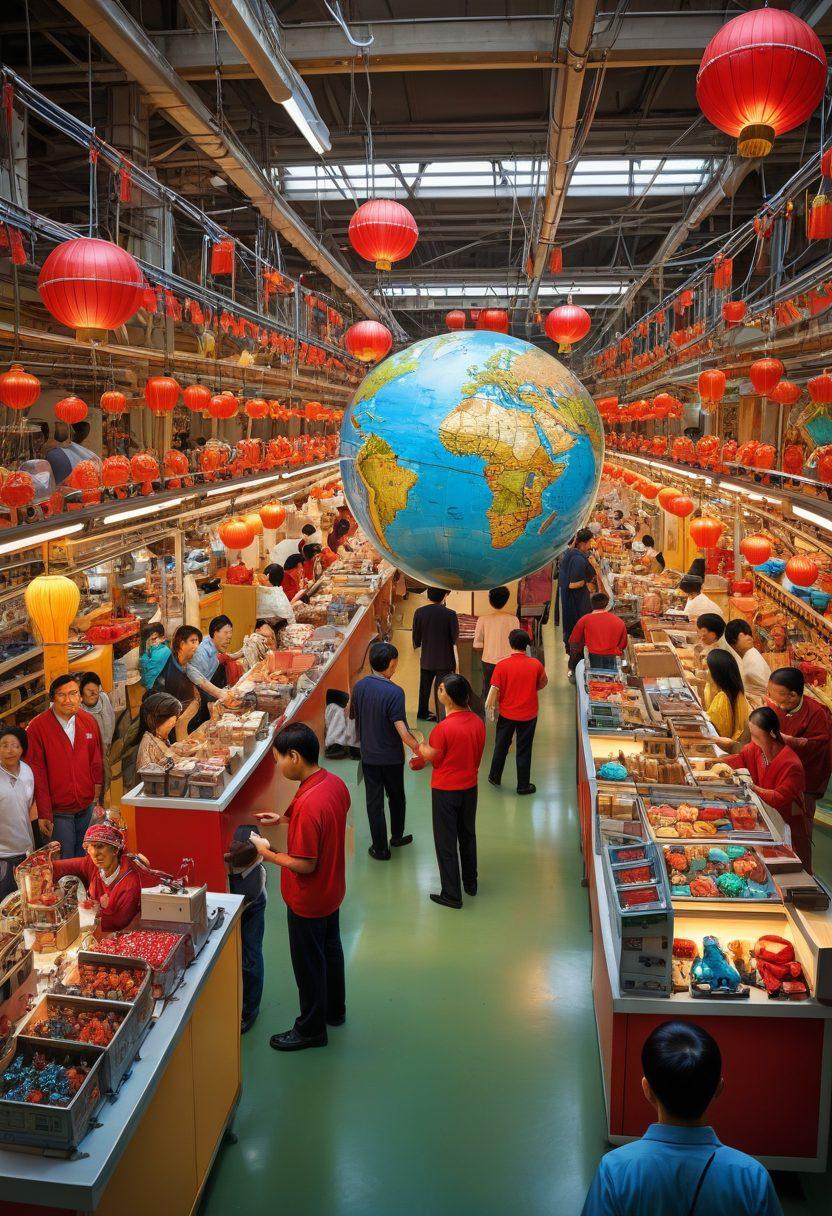
Unlocking the Secrets of Chinese Manufacturing: Trends, Insights, and E-commerce Strategies
The world of e-commerce is ever-evolving, and when it comes to navigating the landscape of online shopping, the influence of Chinese manufacturing cannot be overlooked. Did you know that a significant portion of products we purchase today is manufactured in China? From consumer electronics to fashion and home goods, the vast array of Chinese merchandise shapes our retail experience. As we delve into key trends in Chinese manufacturing, it's essential to question: how does the surge of e-commerce impact sourcing from China, and what can we learn from it?
As online shopping continues to gain momentum, the intricacies of the global supply chain become increasingly evident. Chinese manufacturing has emerged as a vital player, not just for imported goods but also for driving product innovation and affordability. A 2022 market analysis revealed that purchasing products made in China is often more cost-effective, which is a win for both consumers and retailers. However, this phenomenon raises important questions: Are we compromising quality for price? And how can businesses ensure that their product evaluations reflect true value while staying competitive in the e-commerce space?
Trade relations play a pivotal role in shaping the dynamics of Chinese manufacturing. The ongoing shifts in international policies and tariffs impact the ease with which businesses can source from China. Retailers must stay abreast of these developments to navigate potential challenges effectively. Imagine trying to ship a container filled with beautifully crafted items or the latest fashion from China only to face delays caused by regulatory hiccups. It just goes to show the complexity behind the scenes. Businesses that adapt their logistics strategies while closely monitoring Chinese market trends will find themselves better positioned to take advantage of emerging opportunities.
To thrive in the competitive e-commerce environment, businesses must leverage actionable insights gathered from thorough product sourcing research. This involves analyzing consumer preferences and shopping trends. For instance, how do consumer attitudes shift towards sustainability? As more customers prioritize eco-friendly options, sourcing from China may require a re-evaluation of manufacturing processes. This is not just about selling a product; it's about offering a narrative that resonates with consumers seeking to make responsible choices. So, how can brands align their offerings with these evolving expectations?
In conclusion, the intersection of e-commerce and Chinese manufacturing presents both challenges and incredible opportunities. By gaining a deeper understanding of market dynamics and consumer behavior, businesses can innovate and resonate with their target audience effectively. As we continue to witness changes in the e-commerce landscape, one thing remains certain: the pulse of global retail beats strongest through the lens of Chinese manufacturing. Quoting business guru Jim Rohn, "Success is nothing more than a few simple disciplines, practiced every day." Let that be the guiding principle as we forge ahead in harnessing the potential of Chinese manufacturing and e-commerce.
From Sourcing to Shopping: Essential Insights into China-Made Goods
In the global marketplace, the phrase 'manufactured in China' carries immense weight and significance. Imagine a treasure trove where a variety of products, from the latest consumer electronics from China to trendy fashion from China, come to life. As shoppers, our quest often centers around finding the best quality at the most attractive prices. In this digital age, e-commerce has transformed the landscape of shopping, making it easier than ever to source from China and access a plethora of Chinese merchandise. But what truly lies beneath the surface of this vibrant market that connects countries and cultures?
Sourcing from China is not just about finding good deals; it’s about understanding the intricacies of Chinese manufacturing and the factors that drive market analysis. Picture yourself navigating a complex maze where trade relations, logistics, and the global supply chain weave together to create the tapestry of imported goods. As we delve into essential insights into China-made goods, we’ll also look at how businesses can leverage these connections to enhance their own shopping trends. How can you, as a conscious consumer or a savvy businessman, unlock the secrets of this remarkable market?
A great starting point is to stay informed about the pulse of Chinese market trends. What products are people raving about? Which items are flying off the virtual shelves in the realm of online shopping? From stylish apparel to practical home goods, the possibilities are endless. By keeping your finger on the pulse of product evaluations, you can confidently make informed decisions when it comes to engaging with Chinese manufacturing. Perhaps you’ll ask yourself: what brand has mastered the art of appealing to modern consumers, and how can I apply that strategy to my own purchases?
As we embrace the world of e-commerce, we can’t ignore how even the tiniest nuances impact our shopping experiences. Consumers now demand streamlined logistics processes, alongside authentic customer testimonials. Retailers who prioritize transparency and quality assurance in their product sourcing strategies not only gain consumer trust but also foster lasting relationships with both suppliers and customers. A key question emerges: how does the experience of shopping for China-made goods differ from traditional marketplaces?
In conclusion, diving into the realm of Chinese merchandise opens up endless opportunities for consumers and businesses alike. By exploring what has become a global phenomenon through the lens of Chinese manufacturing, we can truly appreciate the value of thoughtfully sourced goods. Next time you scour the internet for the next great addition to your wardrobe or home, remember that there’s a remarkable story behind every 'Made in China' label; a story filled with innovation, resilience, and the never-ending evolution of the global market. The next time you spot something intriguing in your online shopping cart, let it spark curiosity about the world of trade relations, and who knows, it may lead to a deeper understanding of the goods we cherish.
Understanding Global Trade: How Chinese Manufacturing Shapes Consumer Choices
In the ever-evolving landscape of global trade, one truth remains clear: Chinese manufacturing significantly influences consumer choices worldwide. From fashion to electronics and home goods, 'manufactured in China' has become synonymous with both affordability and variety. But what does this truly mean for the global market? As we unravel the intricacies of how 'Chinese merchandise' shapes our shopping habits, it’s essential to delve into market analysis and logistics that drive this dynamic industry. Are you ready to explore the forces that dictate not just what we buy, but how we buy it?
When we think of 'imported goods', China inevitably comes to mind. The sheer scale of 'Chinese manufacturing' has molded the global supply chain, ensuring that countless products, including consumer electronics from China, are readily available at our fingertips. If you're an avid online shopper, have you ever paused to consider how seamlessly these goods flow into your hands? With effective logistics and strategic trade relations, sourcing from China has become a cornerstone of retail. Embracing a conversational tone, let’s dive into how these strategies play a crucial role in influencing what captures the attention of consumers.
Indeed, 'shopping trends' reveal a fascinating story about consumer preferences. While many may dismiss items labeled as 'China-made' as mere cheap replicas, a deeper look into product evaluations unveils a different reality. High-quality 'fashion from China' and innovative 'home goods' are redefining perceptions. It's essential to challenge the stereotypes associated with 'Chinese merchandise.' What if the next high-end gadget you crave is just a click away, thanks to Chinese manufacturing? By understanding these trends, we can appreciate the value and selection offered by this market.
Furthermore, the rise of e-commerce has exponentially increased the accessibility of Chinese products globally. With online shopping being a predominant force in today’s society, the relationship between consumers and imported goods has become fundamentally altered. From simplifying product sourcing to expanding selection, the e-commerce revolution has created unique consumer expectations and purchasing behavior. Have you noticed how easy it is to find international brands in your local online marketplace? Let’s navigate through these new shopping paradigms and unveil what they mean for our consumer cultures.
As we wrap up our journey into the impact of Chinese manufacturing on global trade, it’s clear that understanding 'Chinese market trends' is essential for businesses and consumers alike. From the nuanced product sourcing strategies to the logistics that ensure timely delivery, every facet plays a role in shaping our choices. As consumers, staying informed about these developments equips us to make empowered decisions. So, as you scroll through your favorite online stores, perhaps take a moment to appreciate the intricate web of trade that brought those products to your screen. After all, the next time you ask, 'Where is this made?', you might just uncover more than you bargained for.